HOTEL: 4 Stars
Seoul 3 Nights Ibis Styles Ambassador Seoul Hotel or similar
Tokyo 3 Nights Mercure Tokyo Haneda Airpot or similar
Kyoto 2 Nights Mercure Kyoto Station or similar
Osaka 2 Nights Aloft Osaka Dojima or similar
HOTEL: 4 Stars
Seoul 3 Nights Ibis Styles Ambassador Seoul Hotel or similar
Tokyo 3 Nights Mercure Tokyo Haneda Airpot or similar
Kyoto 2 Nights Mercure Kyoto Station or similar
Osaka 2 Nights Aloft Osaka Dojima or similar
Day 1 Arrive Seoul Arrive at Incheon Airport. Meeting our representative and proceeding to Seoul. Overnight stay in Seoul.
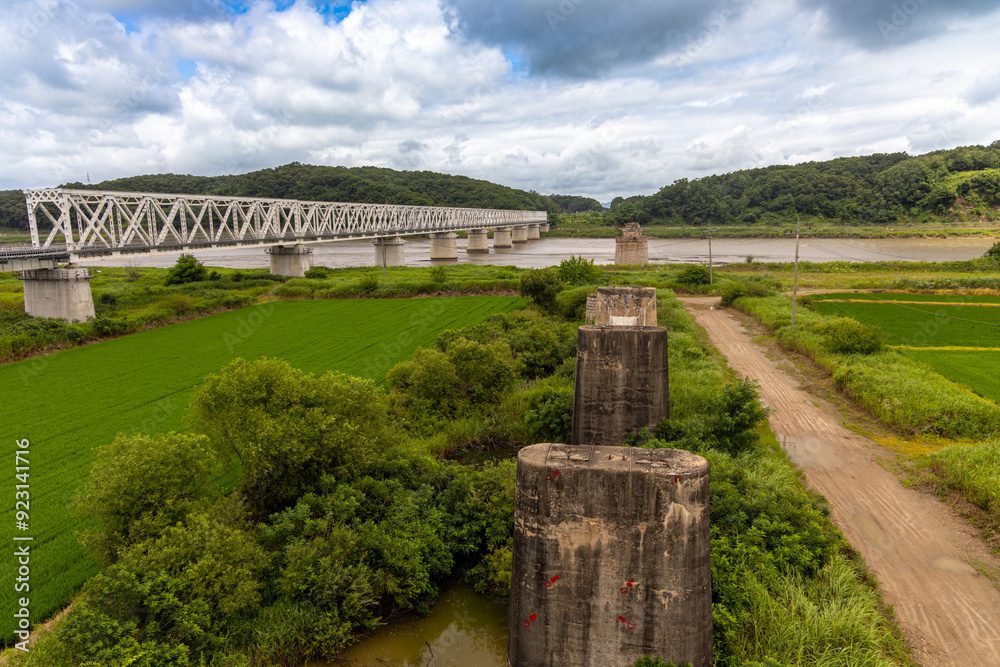
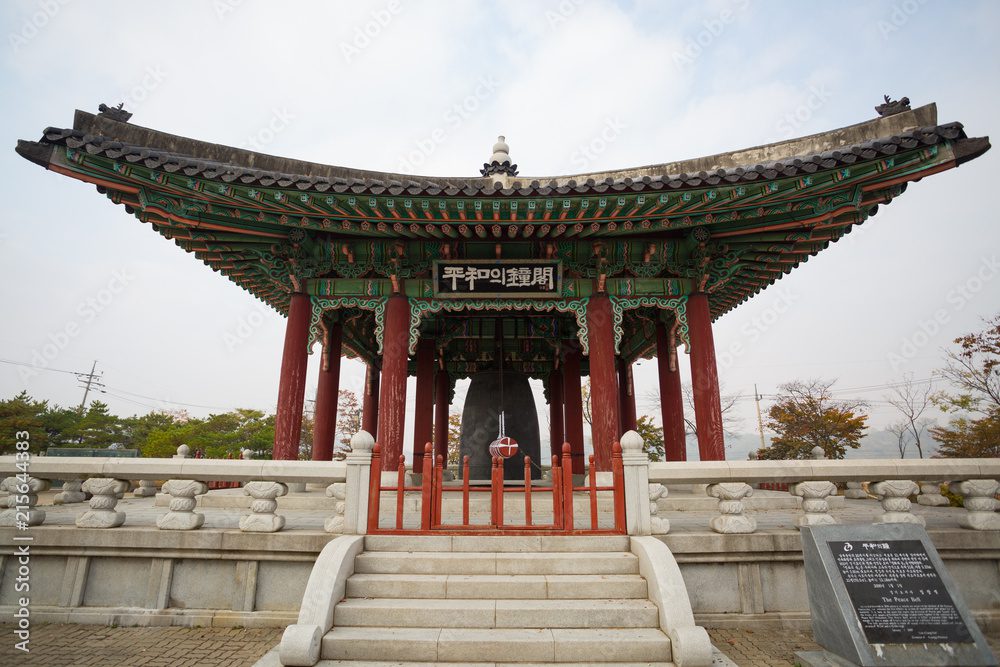
Day 2 Full Day DMZ tour After breakfast, proceed to visit the DMZ (Demilitarized Zone) tour. The DMZ is a very interesting place for many reasons. Visit Imjingak Pyeonghwa-Nuri Park and the Bridge of Freedom. Next, tour the DMZ, Third Tunnel, and Dora Observatory. This tour will begin with a trip to Imjingak Park, which is located 7 km from the Demarcation Line. The park holds a lot of symbolic and sentimental value for residents of both nations since it serves to commemorate the families that were separated due to the division of North and South Korea. With over 400 exhibitions about North Korea, Imjingak Park is one of the few places in the world where you can learn about the elusive nation. Located in the park is the Freedom Bridge, which connects the two nations and was once used by South Koreans who returned to their nation after the signing of the armistice. After Imjingak Park, you’ll pass through the Unification Village and make your way to the DMZ Theatre and Exhibition Hall, where you’ll learn about the history of the war and the division of Korea. Next up is a tour of the fascinating Third Infiltration Tunnel. The tunnel was dug up by North Koreans to infiltrate South Korea and launch a surprise attack. After the tunnel, you’ll make your way to the Dorasan Observatory. This is where you can use binoculars to catch a rare glimpse of the mostly hidden North Korea. Evening back to Seoul and overnight stay at the hotel.
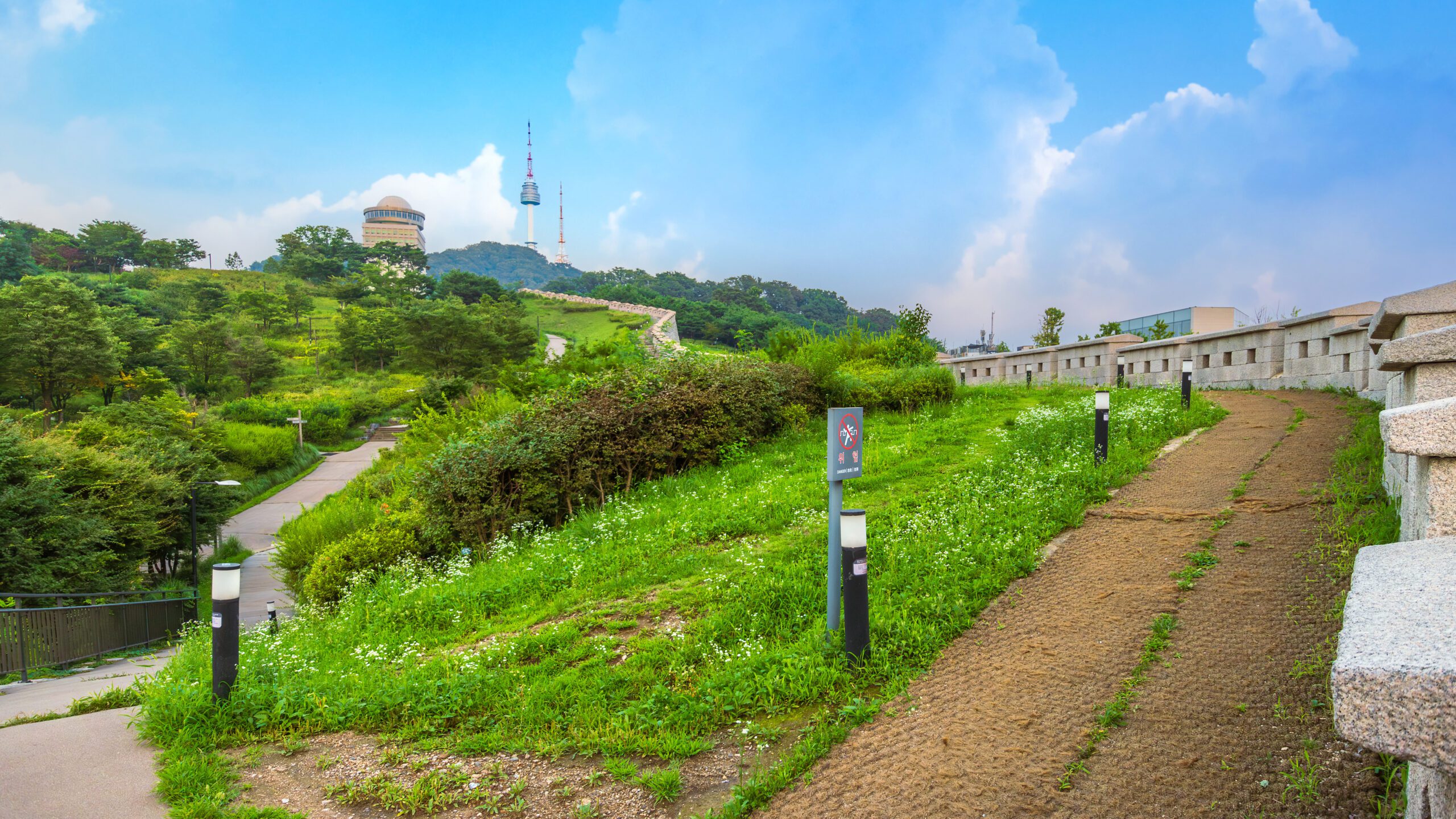
Day 3 Seoul City Tour Morning: After breakfast, proceed to Gyeongbok Palace. The main royal palace of the Joseon dynasty was visited while wearing Hanbok (Korean traditional dress). Gyeongbokgung, the largest of the Five Grand Palaces built by the Joseon dynasty, served as the home of the royal family and the seat of government. If the weather permits, you can enjoy the Royal Palace gate guard performance. Then moving to Bukchonhanok Village and later visiting Namsan viewpoint, Love Lock photo zone, and N Seoul Tower Evening proceeded to Namdaemun or Myeongdong Market for free shopping. Overnight stay in Seoul.
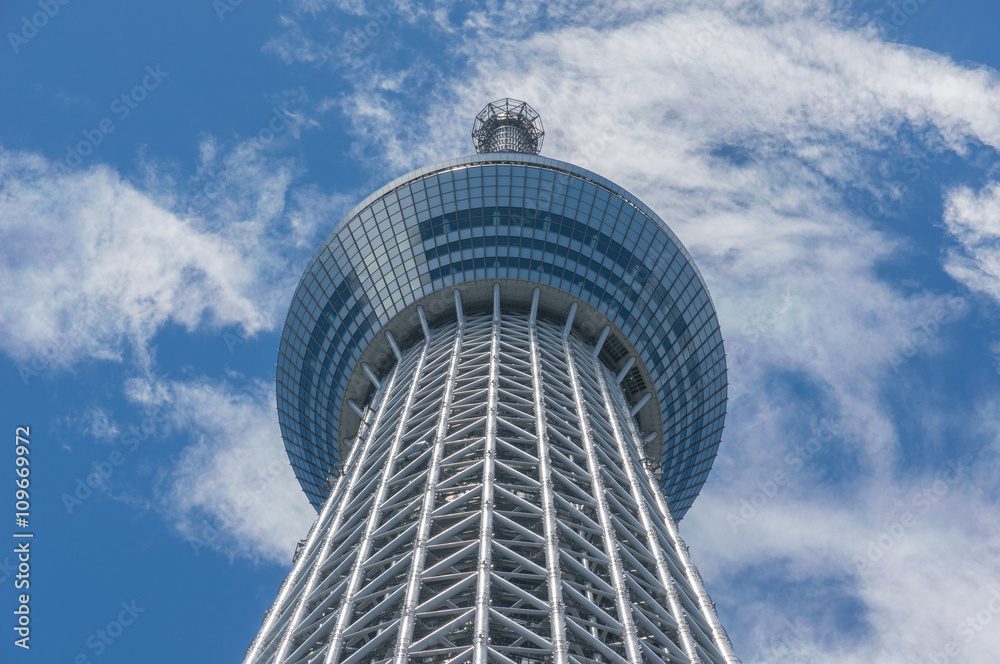
Day 4 Seoul to Tokyo After breakfast (as per the flight timing), proceed to the airport in Tokyo. Tokyo offers a seemingly unlimited Bpace choice of shopping, entertainment, culture, and dining to its visitors. The city’s history can be appreciated in 3X66 districts such as Asakusa and in many excellent museums, historic temples, and gardens. Evening is a free day for leisure. Overnight stay in Tokyo.
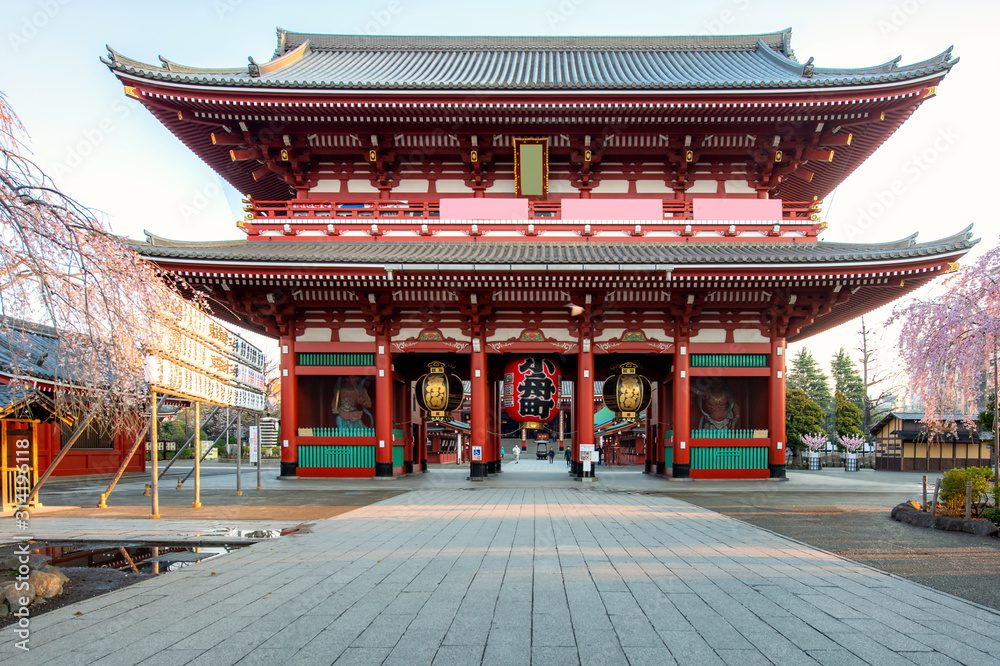
Day 5 Tokyo City Tour This morning, after breakfast, proceed to Tsukiji Fish Market and the Imperial Palace. The Imperial Palace is the residence of Japan’s Imperial Family. Then visit Asakusa Kannon Temple, also known as Sensoji, a Buddhist temple located in Asakusa. It is one of Tokyo’s most colorful and popular temples. Overnight stay at Tokoyo.
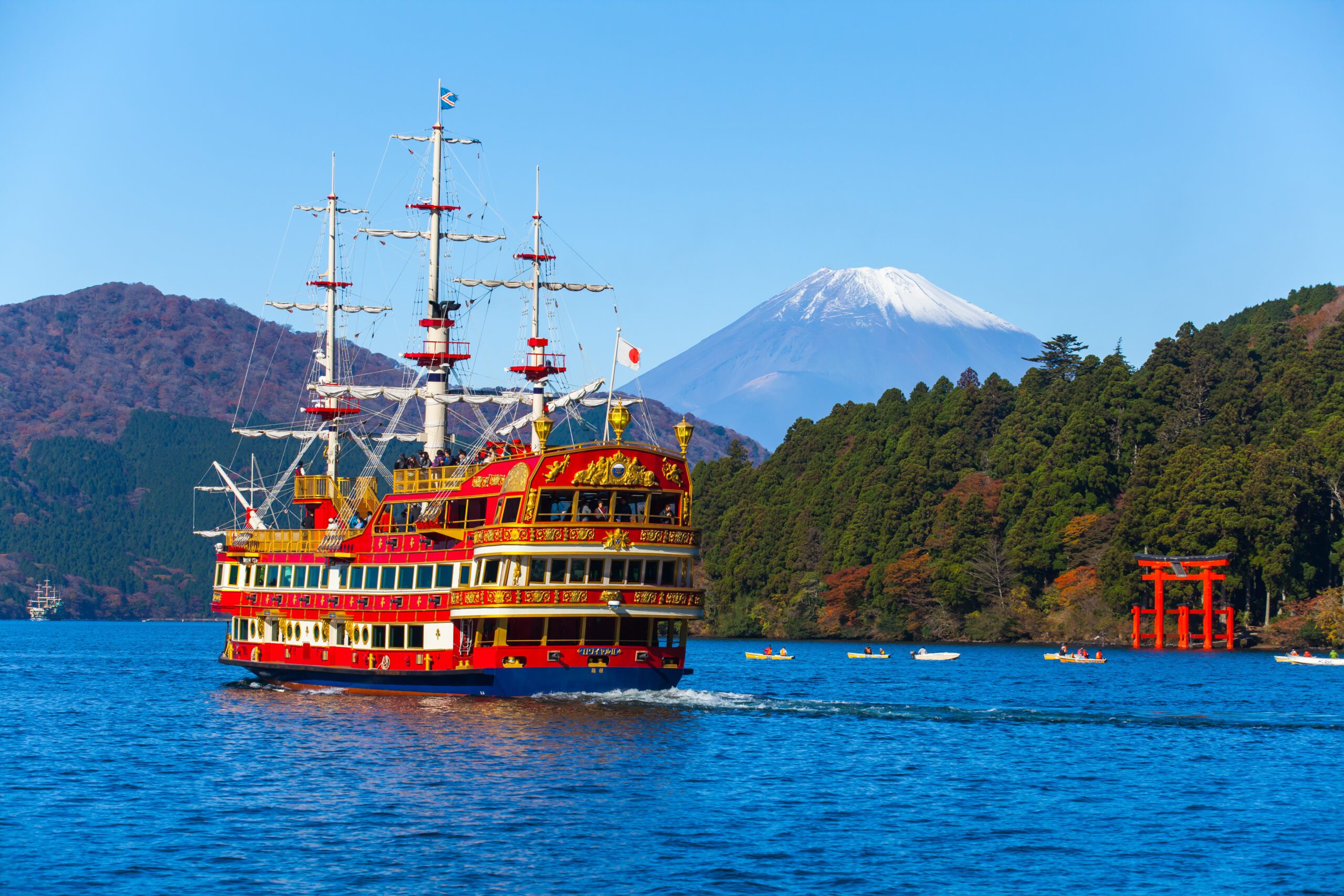
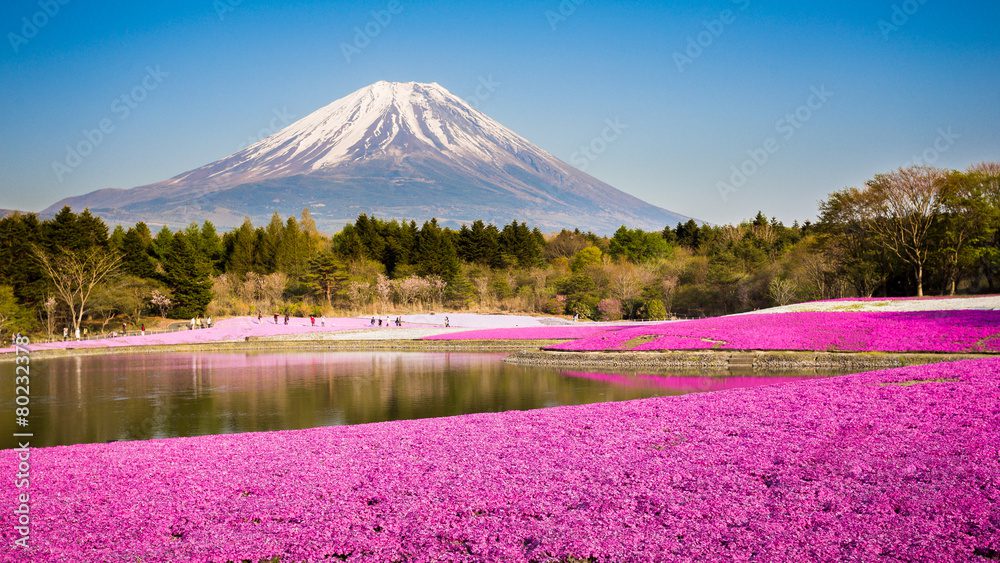
Day 6 Mt. Fuji After breakfast, proceed to Mount Fuji, at 3776 meters, Japan’s highest mountain. It is not surprising that the nearly perfectly shaped volcano has been worshiped as a sacred mountain and has experienced big popularity among artists and common people throughout the centuries. It is an active volcano that most recently erupted in 1707. It stands on the border between Yamanashi and Shizuoka prefectures and can be seen from Tokyo and Yokohama on clear days. Later, visit Owakudani and enjoy the cruise on Lake Ashi, which provides a beautiful view of Lake Ashi. Overnight stay in Tokyo.
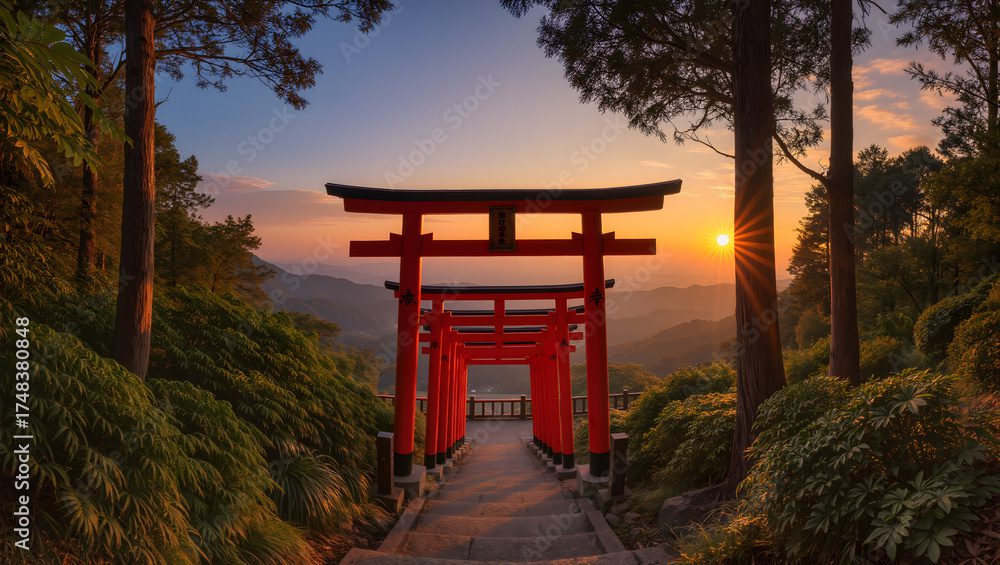
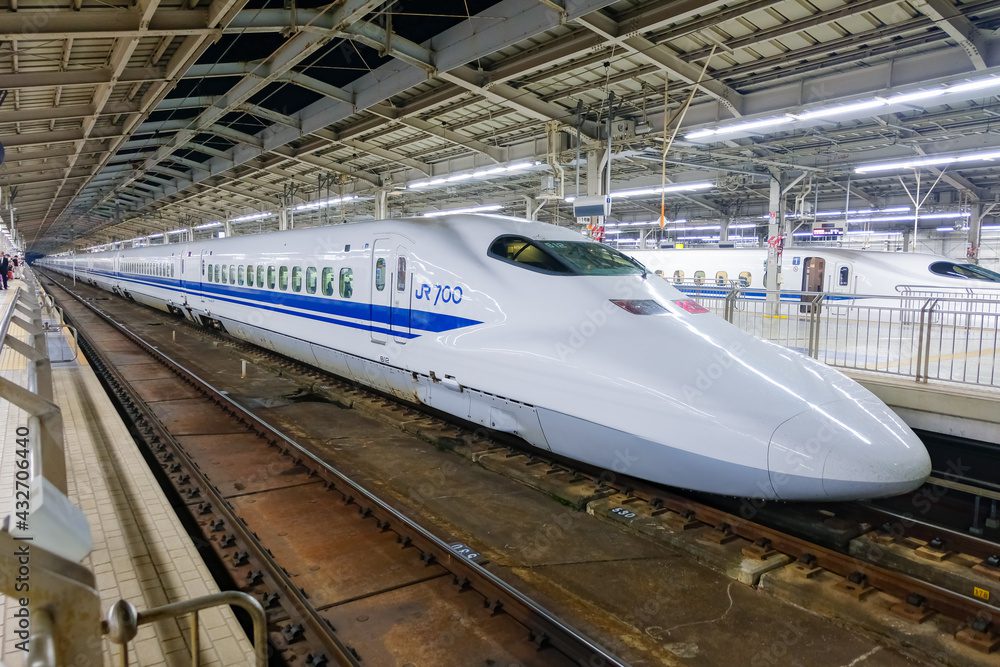
Day 7 Tokyo – Kyoto After breakfast, move to Kyoto by bullet train (3 hours). Arrive in Kyoto and proceed to Kiyomizu Temple, which is one of the most celebrated temples in Japan. The temple is one of the oldest schools in Japan. In 1994, the temple was added to the list of UNESCO world heritage sites. Then move to Gion. It is a famous district, filled with shops, restaurants, and teahouses. Later, visit Fushimi Inari Shrine. It is an important Shinto shrine in southern Kyoto. Overnight stay in Kyoto.
Day 8 Kyoto – Nara This day starts the journey by visiting the Arashiyama Bamboo Site. Arashiyama is one of Kyoto’s most popular sightseeing districts. The heart of the district is the Arashiyama Bamboo Grove, a mesmerizing grove of thousands of tall bamboo plants. Later, proceed to Todaiji Temple, situated a short walk from the center of Nara, which is Nara’s most popular tourist attraction and a UNESCO world heritage site. Then move to Nara Park. Nara Park is a large park in central Nara. Established in 1880, it is the location of many of Nara’s main attractions, including Todaiji, Kasuga Taisha, Kofukuji, and the Nara National Museum. It is also home to hundreds of freely roaming deer. Later, visit Kasuga Taishais. Kasuga Taisha was also the tutelary shrine of the Fujiwara, Japan’s most powerful family clan, during most of the Nara and Heian Periods. Overnight stay in Kyoto.
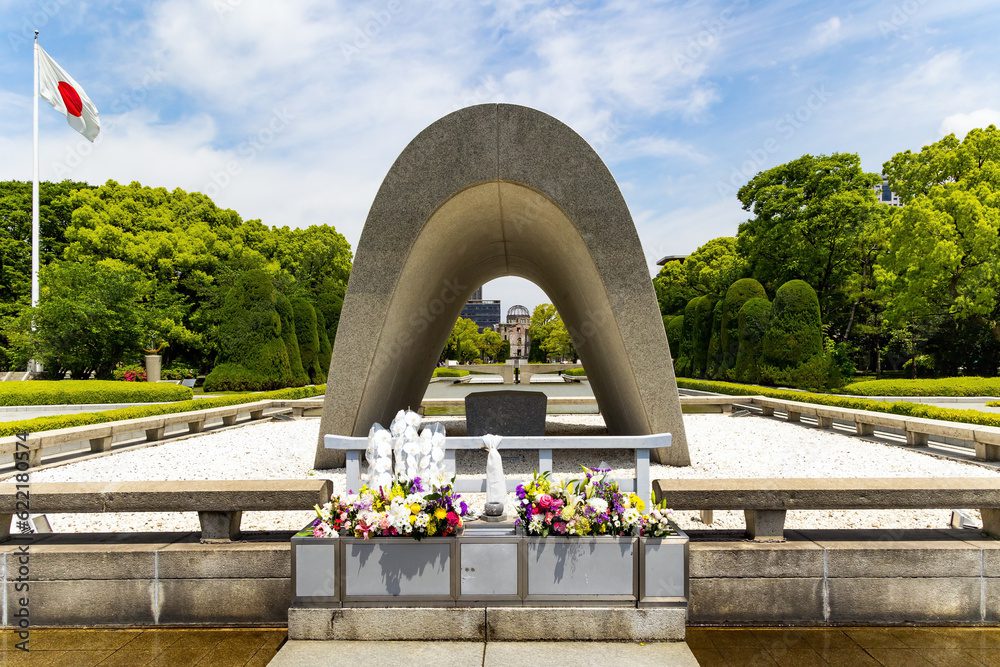
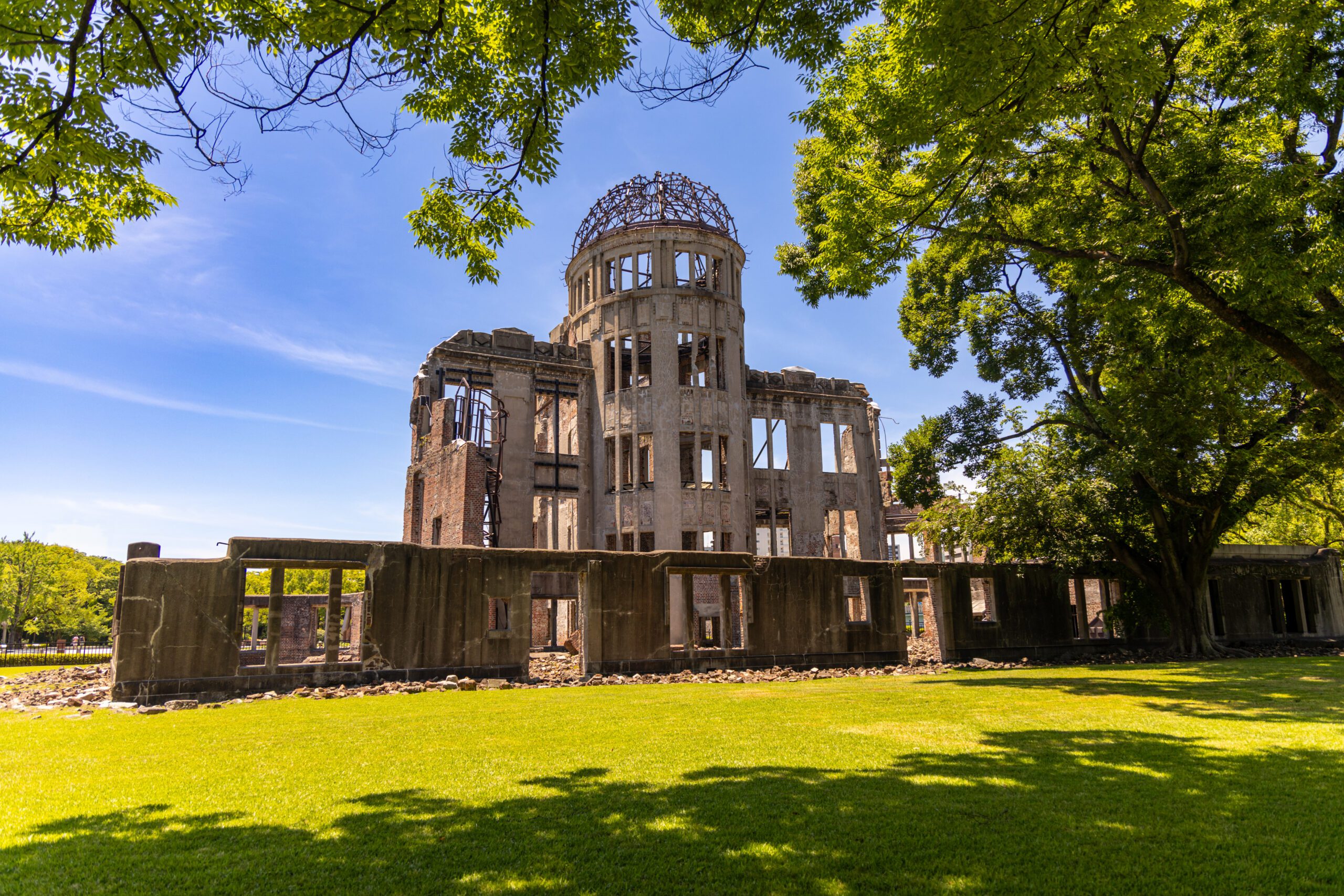
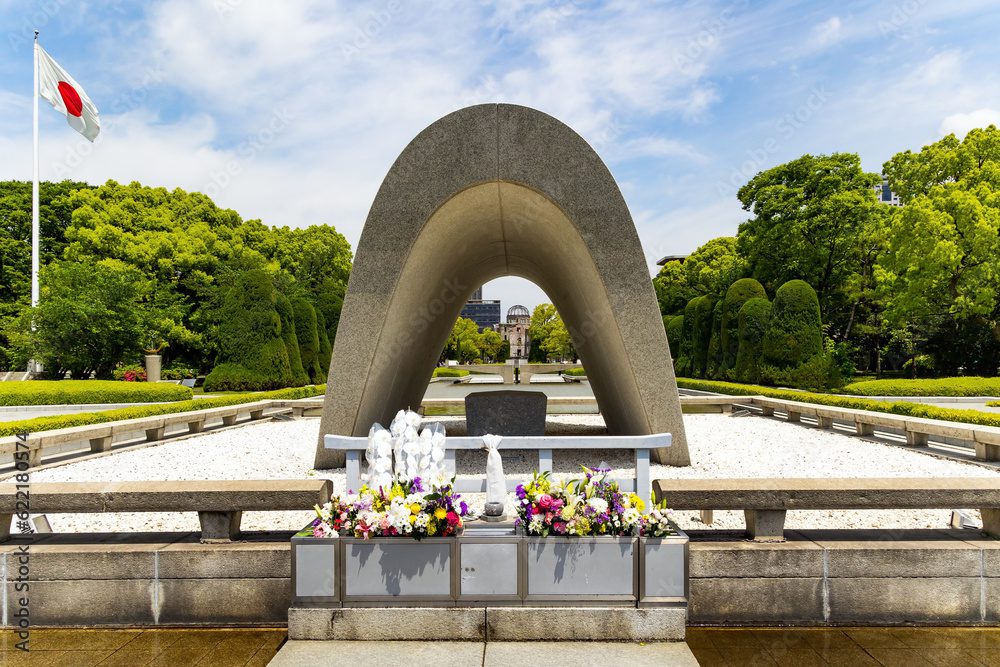
Day 9 Kyoto, Hiroshima and Osaka Morning, after breakfast (as per train timing), proceed to Hiroshima by bullet train (2 hours). Arrive in Hiroshima and proceed to the Peace Memorial Museum, consisting of two buildings. The museum surveys the history of Hiroshima and the advent of the nuclear bomb. Its focus, though, is on the events of August 6: the dropping of the bomb and its outcome in human suffering. The personal details displayed are quite upsetting and serve to remind us that we should not take peace for granted. The move to Peace Park Hiroshima’s Peace Memorial Park is one of the most prominent features of the city. Even visitors not looking for it will likely stumble upon the large park of over 120,000 square meters. Its trees, lawns, and walking paths are in stark contrast to the surrounding downtown area. Before the bomb, the area around what is now Peace Park was the political and commercial heart of the city. For this reason, it was chosen as the pilot’s target. Four years to the day after the bomb was dropped, it was decided that the area would not be redeveloped but instead devoted to peace memorial facilities. Now proceed to Itsukushima Shrine. The centuries-old Itsukushima Shrine on Miyajima is the source of both the island’s fame and its name. Formally named Itsukushima, the island is more popularly known as “Miyajima”, literally “shrine island” in Japanese, thanks to its star attraction. The shrine is known worldwide for its iconic “floating” torii gate. The shrine and its torii gate are unique for being built over water, seemingly floating in the sea during high tide. The shrine consists of multiple buildings, including a prayer hall, main hall, and Noh theater stage, which are connected by boardwalks and supported by pillars above the sea. (B, L, and D) Evening proceeds to Osaka from Hiroshima by bullet train (1.30 hours). Overnight stay in Osaka.
Day 10 Osaka This day, after breakfast, proceed to Osaka for sightseeing. First, move to Osaka Castle (photoshop), which is a popular tourist spot and a striking historical landmark in the middle of a modern urban cityscape of high- rise concrete blocks. Then visit the Umeda Sky Building district of Osaka, near Osaka and Umeda stations. It is also known as the “New Umeda City”. Later, we will move to the Shinsaibashi Shopping Arcade, and the surrounding Shinsaibashi area is Osaka’s premiere shopping center. Overnight stay in Osaka.
Day 11 Departure This day, after breakfast, drop off at the airport to fly back to your hometown.
Terms & Conditions
Visa Processing (If required):
Documents required:
Airlines:
Payment:
Cancellation and refund Policy – at any circumstances (including war, flood, strike or epidemic):
Disclaimer:
We act only as agents for tour members in making arrangements for hotels, transportation, touring, restaurants or any other services in connection with itinerary. We will exercise reasonable care in making such arrangements. However, we do not assume any liability whatsoever for any injury, damage, loss, accident, delay or irregularity to person and property because of an act of default of any hotel, airline carrier, restaurant, company or person rendering any of the services included in the tour. The right is reserved to cancel or change itineraries or to substitute comparable services without notice. The right is also reserved to decline to accept or to retain any tour passengers should such person’s health impede the operation of the tour or be a detriment to the other tour passengers.